
-
Heat Pumps
Cleaner heating that pays you back
Heat pumps are the most efficient way to heat a home or business today, and the technology has moved on a long way since the early models. A well-designed system will keep your property warm through a London winter, take care of your hot water and cut your energy bills against gas or oil. Ecoworks has been designing and installing heat pumps across North London since 2013, with every job led by founder Mark Dearden and a team that values doing each install properly.
If you are weighing up a heat pump for the first time, or you have already decided and want a trusted local installer, you are in the right place.

What is a heat pump and how does it work
A heat pump moves heat rather than burning fuel to create it. It draws warmth from outside, even in cold weather, and uses a small amount of electricity to lift that warmth to a temperature that heats your radiators, underfloor system or hot water cylinder. Because it moves heat instead of generating it, a heat pump can deliver three to four units of heat for every unit of electricity it uses, which is where the cost savings come from.
The types of heat pumps we install
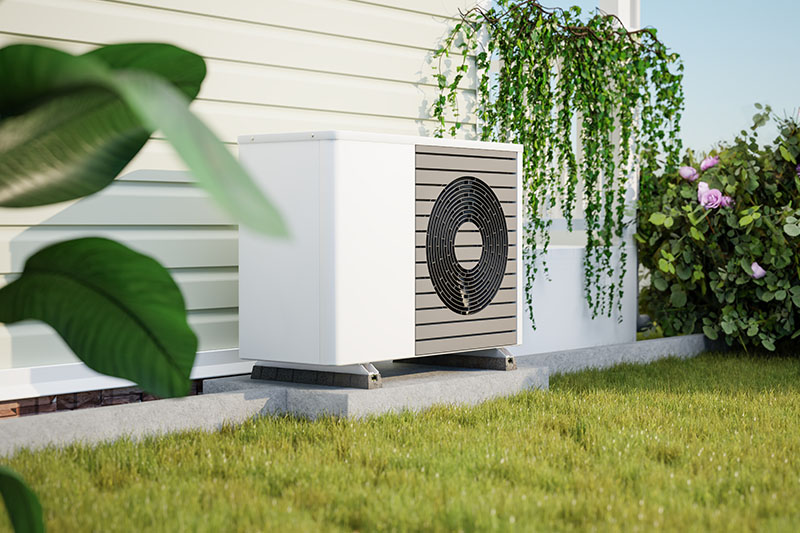
Air source heat pumps are the most common choice for London homes. The outdoor unit sits to the side or rear of the property, and the system connects to your existing heating circuits with minor adjustments.
Exhaust air source heat pumps recover heat from air being ventilated out of a building. They suit well-insulated, airtight homes with mechanical ventilation already in place. Output is lower than a standard air source unit, so they work best in compact, energy-efficient properties.
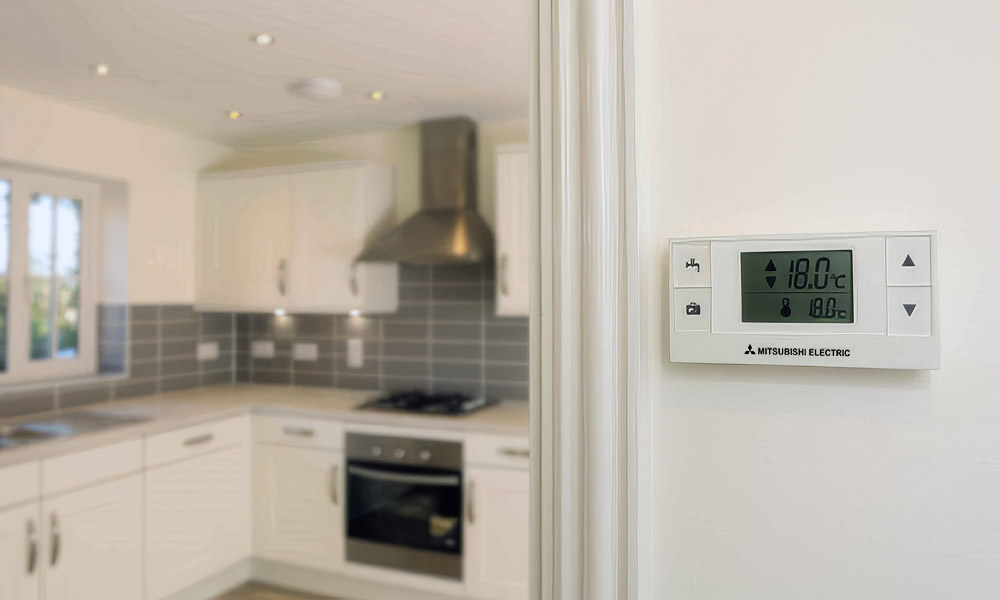
We are an accredited installer for Mitsubishi Ecodan, one of the best-performing air source ranges on the market, and we work with other major brands where they are the right fit for the property.
How much does a heat pump cost
A typical air source heat pump install for a three to four bedroom London home falls between GBP 8,000 and GBP 14,000 fitted, before grants. The exact figure depends on the size of the property, the state of the existing pipework and whether radiators need upgrading.
The Boiler Upgrade Scheme currently offers grants of up to GBP 7,500 towards an air source heat pump in England and Wales, which can be applied directly to the install cost. We handle the paperwork so the discount comes off your quote rather than you claiming it back later.
Running costs depend on tariff and property, but a properly sized heat pump on a heat pump electricity tariff typically runs cheaper than a gas combi for the same level of comfort, especially if your home has reasonable insulation.
Will a heat pump suit my property
Most London homes can run a heat pump well. The factors that matter most are:
- Loft and wall insulation levels
- Available space outside for the outdoor unit
- Existing radiator sizes (some may need uprating)
- Whether you have a hot water cylinder, or space for one
A free survey from our team covers all of this and gives you a clear answer before you commit. We will tell you honestly if a heat pump is not the right choice for your home.

Get expert advice, tailored solutions, and a clear, no-obligation quote…
- Find Out More About Heat Pumps
Frequently Asked Questions
How much does a heat pump cost to run?
A well-sized air source heat pump in a reasonably insulated London home typically costs less to run than a gas combi boiler, especially on a dedicated heat pump electricity tariff.
How long does a heat pump installation take?
A standard domestic install takes two to five days on site. We agree a clear timeline at quote stage.
How efficient are modern heat pumps?
Modern air source heat pumps achieve seasonal coefficients of performance between 3 and 4.5, meaning three to four and a half units of heat for every unit of electricity.
Can I get a grant for a heat pump?
Yes. The Boiler Upgrade Scheme in England and Wales offers up to GBP 7,500 off an air source heat pump install. You need an MCS certified installer to qualify, which we are.
Will a heat pump work in winter?
Yes. Air source heat pumps are designed to extract heat from outside air down to around minus 15 degrees Celsius. They are widely used in Scandinavia.
Do I need to replace my radiators?
Some radiators may need uprating to deliver the same warmth at a lower flow temperature. We check this during the survey.